


The code automatically applies at the checkout
Stay up to date!
Helpful tips, tricks and information from team Artgecko Sketch!

If you've ever tried watercolour on standard paper you’ll know the frustration; paint pooling in strange places, colours drying flat, and pages buckling before you’ve even finished your first wash. It’s easy to blame your technique, but more often than not, it’s the paper. Watercolour isn’t just about paint and brushes - the surface you work on plays a huge role in how everything behaves. And once you experience the difference, it’s hard to go back.

Painting with acrylics can be a fun and hugely creative process for a wide range of artists of all levels and skill sets. The medium supports textural and colour exploration, and it is also a great way to experiment and learn more as you go.
When starting with acrylics, we always recommend focusing on which paper or surface the paint will be applied to. In fact, in our previous blog post, we go into detail about this, so if you'd like to learn more, you can read that here. In short though, high quality acid free cartridge paper is a great starting point. The higher the gsm, the better - 240 gsm textured acrylic paper or 300 gsm smooth papers are brilliant for this media.
But what about when it comes to putting paint to paper? Well, in this blog, we share our top ten acrylic techniques that you can try, to build upon your acrylic skill set. So without further ado, lets get into it!

All artists know that the foundation of a brilliant masterpiece is good-quality materials. While the saying goes “a bad workman blames his tools”, the reality is that poor art supplies can genuinely hinder your practice. From coloured pencils that snap every 15 minutes to markers that bleed across the page instead of blending, we feel your pain.
With so many options available, finding the right supplies for your work can be a lengthy and frustrating process. That’s why we’ve pulled together this handy guide, breaking down each of our paper types to help you find the right grade and texture for your art style. It should also make choosing the best sketchbook for your needs a whole lot easier.

Think you’re too busy to sketch every day? Think again! Building a daily sketching habit doesn’t mean hours of work - just a few minutes with your favourite sketchbook. Whether it’s quick doodles in your A5 travel sketchbook or bold ideas in your A3 all media book, those small moments add up to big creative growth.
Take a read of this blog for our tips, tricks and more on getting into the routine of a daily sketching habit and up your creative skills.
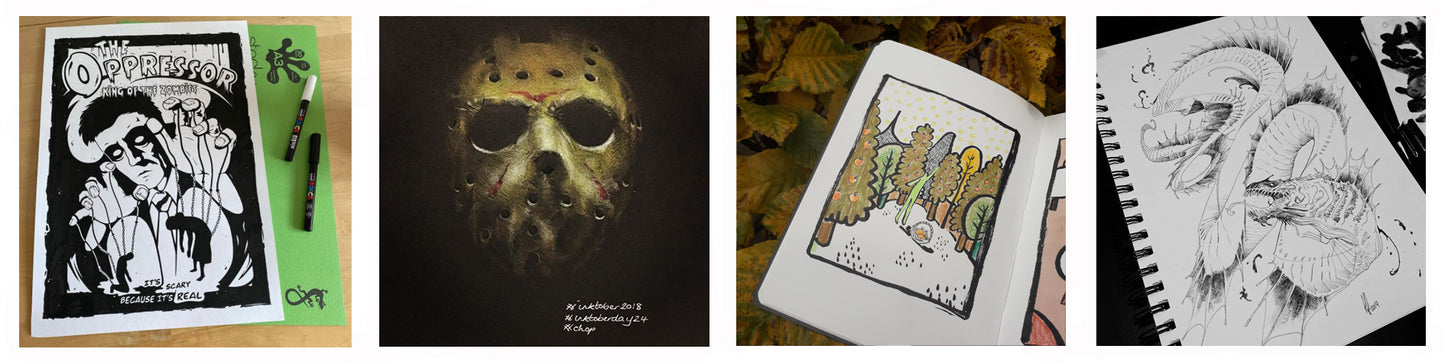
As the nights grow longer and leaves start to fall, Halloween is the perfect time for artists to experiment with new ideas and add a little darkness to their sketchbooks! Whether you’re just starting out or filling up a GCSE art sketchbook, October is the ideal season to get creative and explore spooky designs. Dive into these Halloween-inspired tips and ideas for your Artgecko Sketchbook — perfect for everyone from GCSE students to professional artists looking to add a little scare to their art.
Top Tips for Seasonal Autumn Sketching Autumn has arrived, bringing its crisp air, golden hues, and a world of creative...

Spring is here, bringing vibrant colours and fresh inspiration. It's the perfect time to dive into acrylic painting, whether you’re a seasoned artist or a beginner. Acrylics are versatile, fast-drying and ideal for capturing the energy of the season. Here's how to get started and make the most of it.

Welcome to the season of renewal and creativity! As nature bursts forth with new life, it's the perfect time to channel that energy into your artistic pursuits with your trusted Artgecko Sketchbook. With its premium quality paper and durable construction, your Artgecko Sketchbook is the ultimate tool for capturing the beauty and vibrancy of spring. Let's explore how you can embrace the essence of the season through creating with your sketchbook.